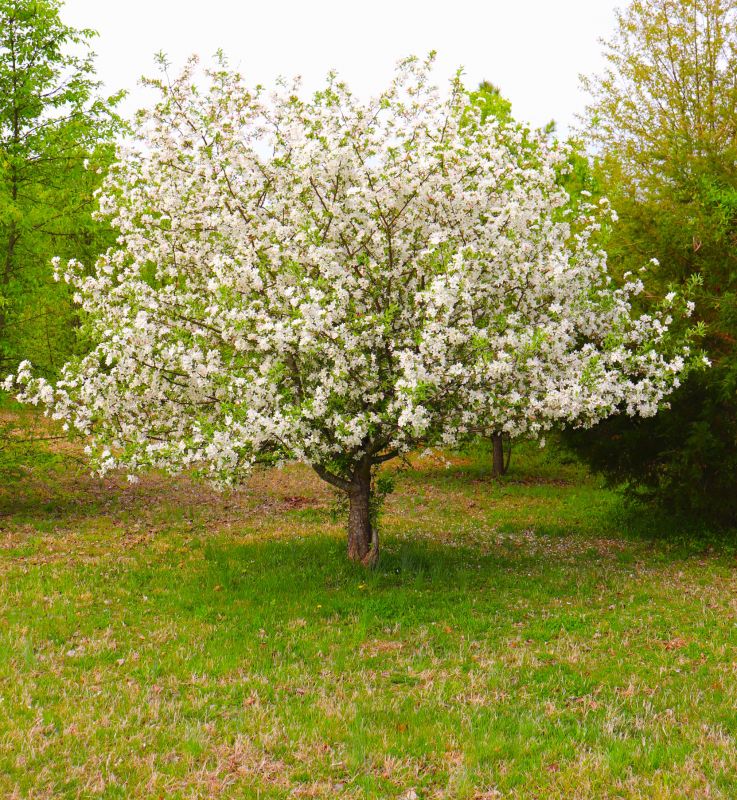
Dogwood Tree Removal in San Jose, CA
Dogwood tree removal services involve the careful and efficient removal of dogwood trees that are dead, damaged, or no longer suitable for a property. This process includes assessing the tree’s condition, safely cutting and dismantling it, and properly disposing of the debris. Projects often include removing trees that pose safety hazards, clearing space for new landscaping, or addressing issues caused by disease or decay. Property owners typically want to understand the scope of work, whether the removal will affect surrounding plants or structures, and the best methods for safely handling trees of various sizes.
Before requesting dogwood tree removal, homeowners should consider the size and location of the tree, as well as any potential impacts on nearby structures or utilities. It’s also helpful to clarify if any permits are required for removal, especially for larger trees or those in protected areas. Understanding the process involved, including cleanup and disposal, can ensure the project aligns with property goals and safety expectations.
Many property owners in San Jose, CA look into Dogwood Tree Removal for repairs, replacements, upgrades, and appearance-related improvements.
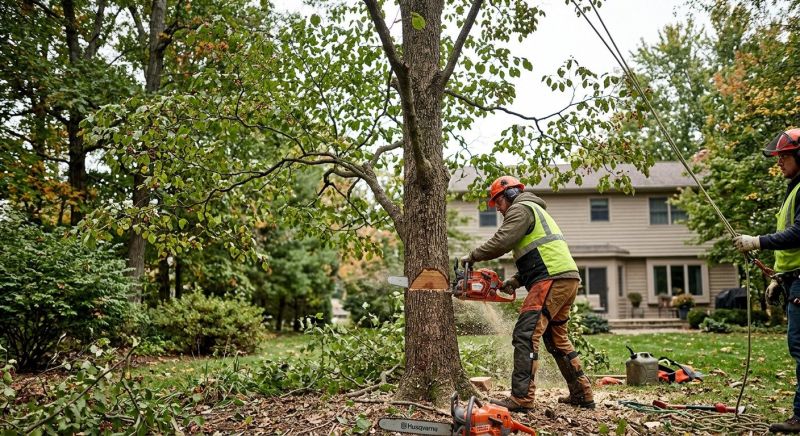
Dogwood Tree Removal Services
Examples of dogwood tree removal work property owners may explore in san jose, ca.
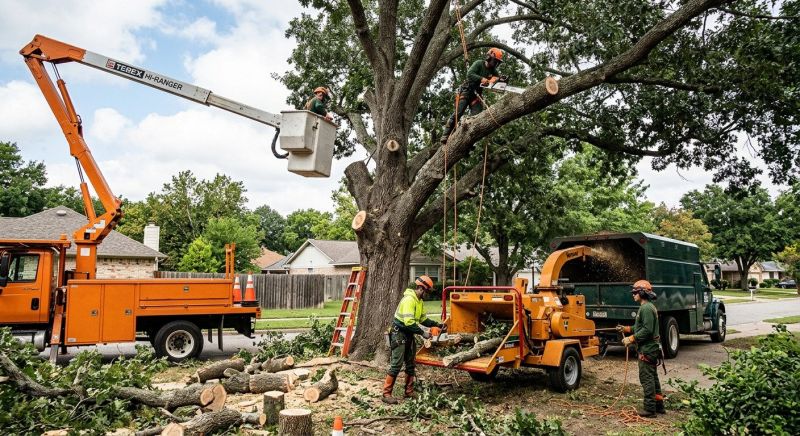
Dogwood Tree Removal Updates
Common ways people refresh, improve, or restore dogwood tree removal features in san jose, ca.
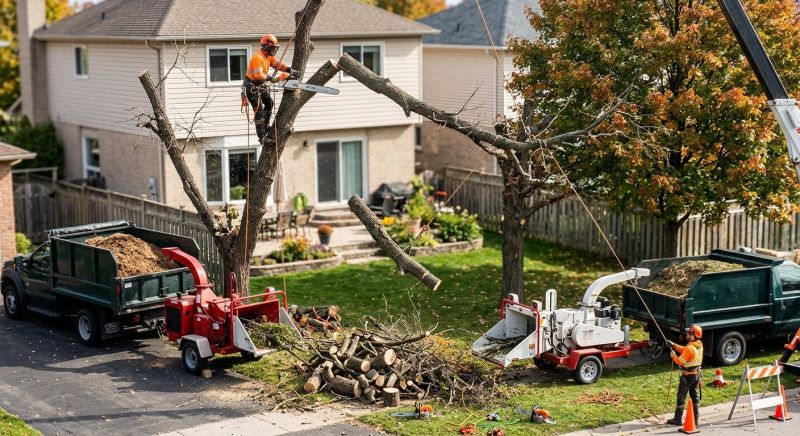
Dogwood Tree Removal Options
Different styles, layouts, and finishes people consider for dogwood tree removal in san jose, ca.
Dogwood Tree Removal in San Jose, CA
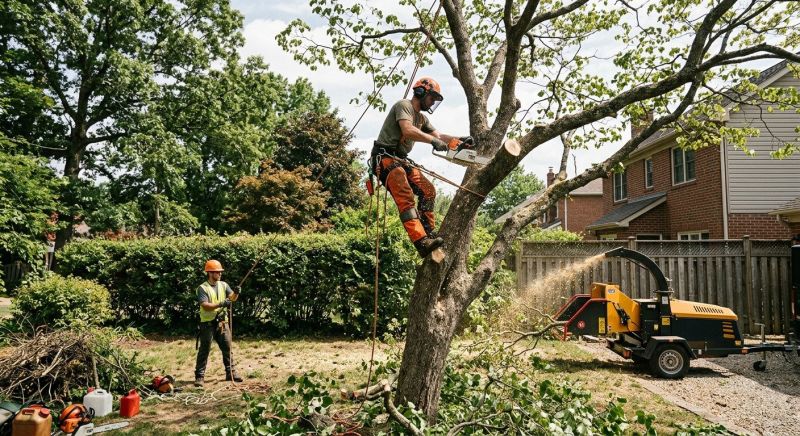
Dogwood tree removal services involve the careful and efficient removal of dogwood trees that are dead, damaged, or no longer suitable for a property. This process includes assessing the tree’s condition, safely cutting and dismantling it, and properly disposing of the debris. Projects often include removing trees that pose safety hazards, clearing space for new landscaping, or addressing issues caused by disease or decay. Property owners typically want to understand the scope of work, whether the removal will affect surrounding plants or structures, and the best methods for safely handling trees of various sizes.
Before requesting dogwood tree removal, homeowners should consider the size and location of the tree, as well as any potential impacts on nearby structures or utilities. It’s also helpful to clarify if any permits are required for removal, especially for larger trees or those in protected areas. Understanding the process involved, including cleanup and disposal, can ensure the project aligns with property goals and safety expectations.
Many property owners in San Jose, CA look into Dogwood Tree Removal for repairs, replacements, upgrades, and appearance-related improvements.
Common Dogwood Tree Removal Jobs
Dogwood Tree Removal - safely removes damaged or unwanted dogwood trees to improve property safety.
Storm Damage Cleanup - clears fallen or broken dogwood branches after severe weather events.
Selective Tree Removal - eliminates specific dogwoods that interfere with structures or power lines.
Overgrown Tree Trimming - reduces the size of mature dogwoods to promote health and prevent hazards.
Root Removal - extracts invasive dogwood roots that threaten driveways or underground utilities.
Stump Grinding - grinds down remaining stumps for a clean, level yard surface.
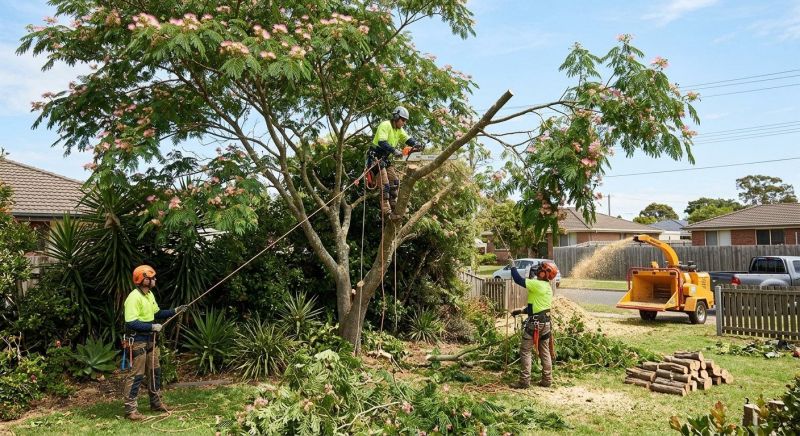
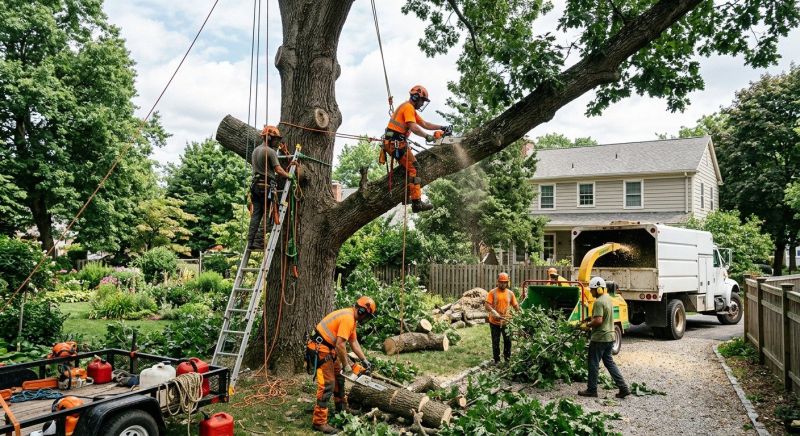
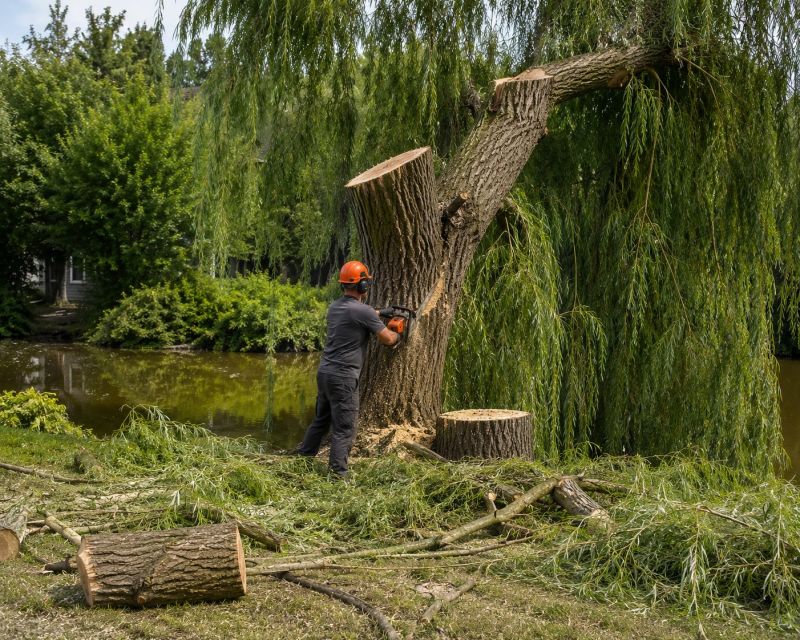
Dogwood Tree Removal Questions
Why remove a Dogwood tree? Removal may be necessary if the tree is diseased, damaged, or poses a risk to nearby structures.
Is professional removal safer than DIY? Yes, professional services ensure proper techniques and safety measures during removal.
What happens to the tree after removal? The tree can be chipped, hauled away, or ground into mulch, depending on property owner preferences.
When is the best time to remove a Dogwood tree? The ideal time is during dormancy in late fall or winter for minimal impact on the landscape.
Request Dogwood Tree Removal in San Jose, CA
Use the quote form on this page to share the basics of your project and request more information for the type of work you need.