Dead Tree Removal in Reno, NV
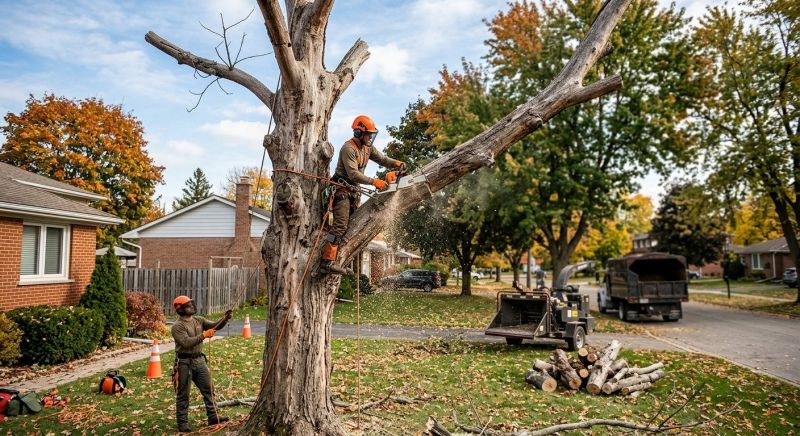
Dead tree removal services focus on safely and efficiently removing trees that are dead, dying, or pose a risk to property. These projects often involve assessing the tree’s condition, planning the best method for removal, and performing the work with proper equipment to prevent damage to surrounding landscape or structures. Homeowners typically request this service when a tree shows signs of decay, disease, or instability, or if it has become a hazard during storms or high winds.
Property owners should consider factors such as the size and location of the tree, potential impacts on nearby structures or power lines, and any local regulations or permits required for removal. Understanding these details helps ensure the process is carried out smoothly and safely. Clear communication about the scope of work and the property’s specific needs can assist in planning a removal that minimizes disruption and preserves the integrity of the landscape.
Many property owners in Reno, NV look into Dead Tree Removal for repairs, replacements, upgrades, and appearance-related improvements.
Dead Tree Hazards
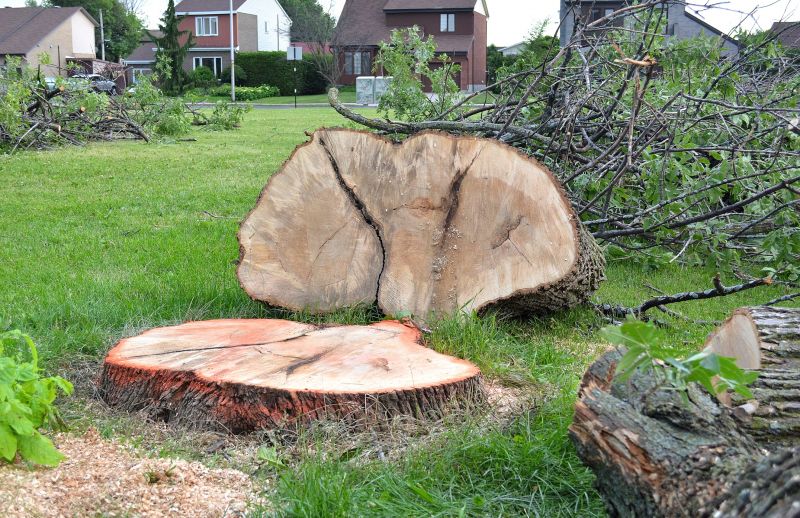
Removing dead trees helps prevent potential property damage and safety risks.
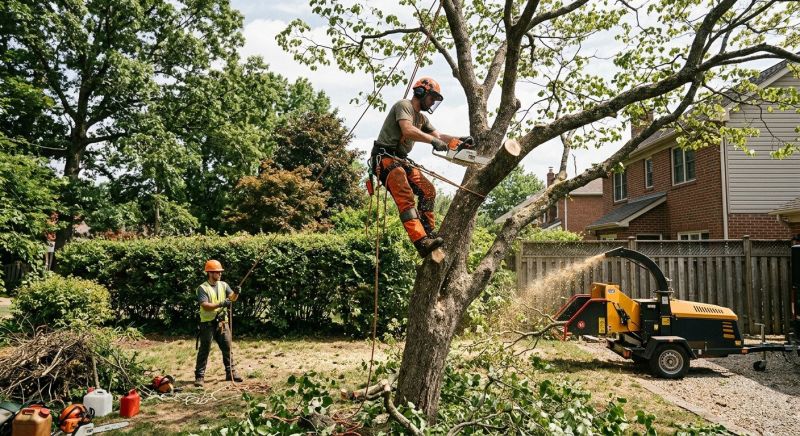
Property Enhancement
Eliminating dead trees can improve the appearance and health of your landscape.
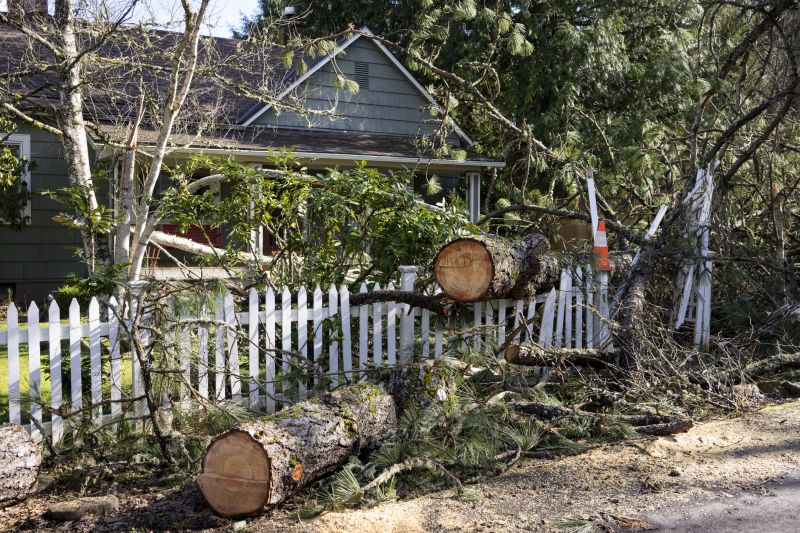
Tree Removal Process
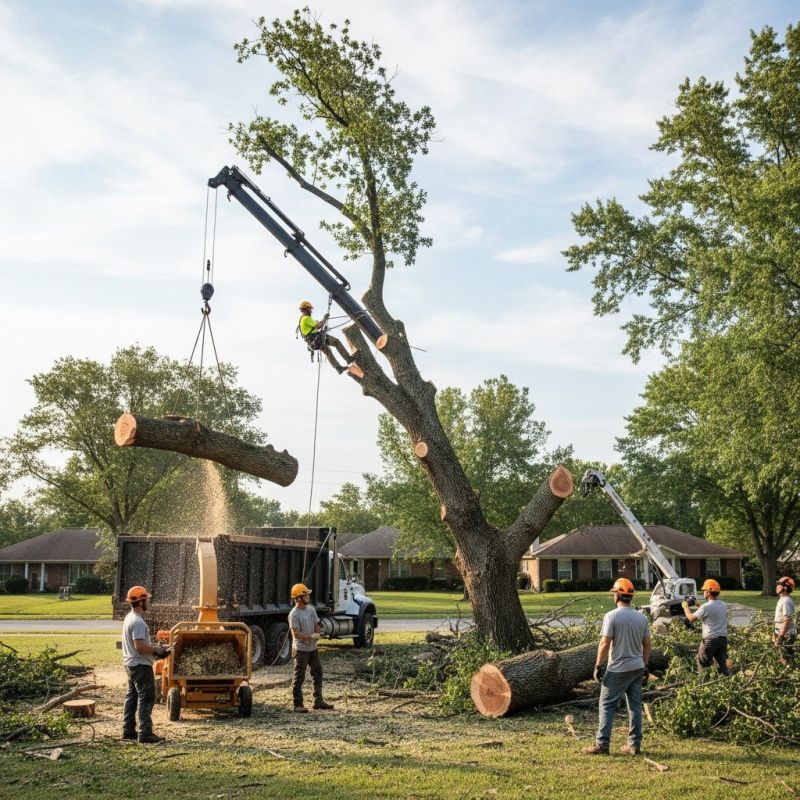
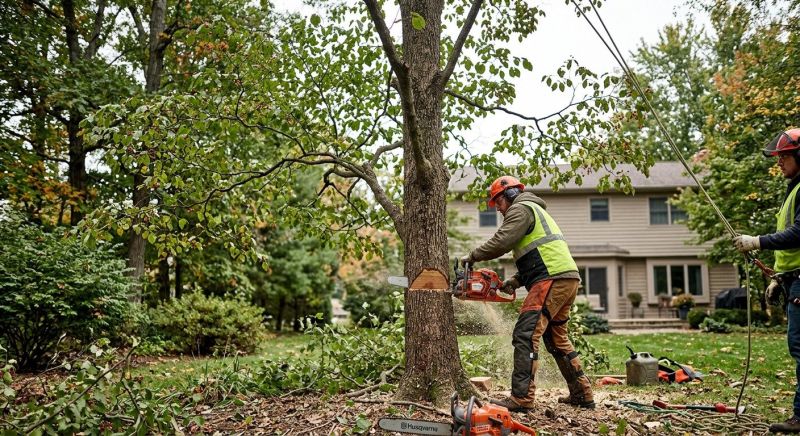
Professional dead tree removal ensures safe and efficient clearance for residential and commercial properties in reno, nv.
Dead Tree Removal in Reno, NV
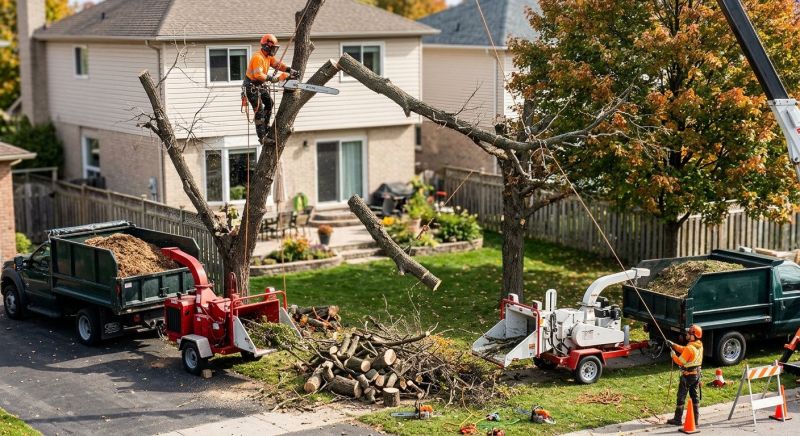
Dead tree removal services focus on safely and efficiently removing trees that are dead, dying, or pose a risk to property. These projects often involve assessing the tree’s condition, planning the best method for removal, and performing the work with proper equipment to prevent damage to surrounding landscape or structures. Homeowners typically request this service when a tree shows signs of decay, disease, or instability, or if it has become a hazard during storms or high winds.
Property owners should consider factors such as the size and location of the tree, potential impacts on nearby structures or power lines, and any local regulations or permits required for removal. Understanding these details helps ensure the process is carried out smoothly and safely. Clear communication about the scope of work and the property’s specific needs can assist in planning a removal that minimizes disruption and preserves the integrity of the landscape.
Many property owners in Reno, NV look into Dead Tree Removal for repairs, replacements, upgrades, and appearance-related improvements.
Common Dead Tree Removal Jobs
Dead tree removal involves safely cutting down and removing hazardous or unwanted trees from residential properties.
Storm-damaged tree removal addresses trees that have fallen or are at risk of falling after severe weather events.
Emergency tree removal provides quick clearance for trees threatening structures or blocking access.
Old or dying tree removal helps prevent decay, pests, and potential hazards on the property.
Urban tree removal manages trees that interfere with utilities, driveways, or other infrastructure.
Stump grinding and removal ensures complete clearance after tree removal to improve landscape safety and appearance.
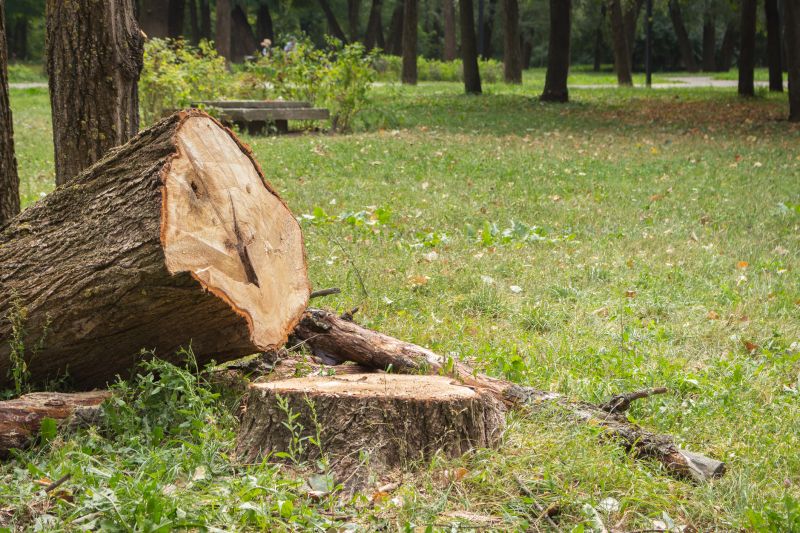
Dead Tree Removal Questions
What is dead tree removal? Dead tree removal involves safely taking down trees that are no longer healthy or pose a risk to property or safety.
Why should dead trees be removed? Removing dead trees helps prevent potential damage from falling branches or entire trees, and improves the landscape’s appearance.
Which types of trees are typically removed? Dead or severely damaged trees, regardless of species, are common candidates for removal to ensure safety and property protection.
What should property owners consider before removal? It’s important to assess the tree’s location, size, and condition to determine the most appropriate removal method and ensure safety.
Request Dead Tree Removal in Reno, NV
Use the quote form on this page to share the basics of your project and request more information for the type of work you need.