
Leading Solutions for Fallen Tree Removal Tasks
Learn about top-rated products that help you tackle fallen trees with confidence and ease in any situation.
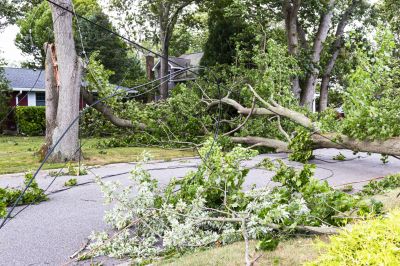 Removing fallen trees is a task that often requires specialized tools and equipment to ensure safety and efficiency. The process can involve various methods depending on the size and location of the tree, as well as the type of debris involved. For smaller branches and limbs, hand tools such as pruning saws and loppers may suffice, but larger trunks typically necessitate more powerful equipment. Safety is paramount when dealing with fallen trees, as unstable wood and unpredictable movements can pose significant risks. Proper planning and the right selection of tools can make the removal process smoother and safer.
Top Overall Option
Heavy-Duty Corded Chainsaw
A versatile and powerful corded chainsaw offers continuous operation for cutting through large trunks and branches. Its reliable motor and sharp blade enable efficient removal of fallen trees, especially in situations where portability is less critical. When used with appropriate safety gear and proper technique, it can be an effective tool for both professional and serious DIY projects.
Types of Products For Fallen Tree Removals
Chainsaws
Electric, gas, or battery-powered chainsaws designed for cutting through trunks and branches of various sizes.
Hand Pruning Saws
Manual saws suitable for trimming smaller branches and limbs with precision.
Loppers
Long-handled cutting tools ideal for reaching and trimming larger branches from the ground.
Ax and Hatchet Sets
Tools for chopping and splitting smaller wood pieces and clearing debris.
Log Splitters
Hydraulic or manual devices designed to split large logs into manageable sizes.
Wood Chippers
Machines that convert branches and small trunks into mulch or chips for disposal or landscaping.
Ropes and Winches
Equipment to help control the fall of large branches or trunks and facilitate safe removal.
Safety Gear
Protective equipment including gloves, helmets, eye protection, and steel-toed boots for safe operation.
Wedges and Felling Bars
Tools used to guide or assist in controlled falling and removal of large wood pieces.
Extension Poles
Long-handled tools for reaching high branches or parts of the tree without climbing.
Debris Bags and Tarps
Containers and coverings for collecting and transporting wood debris efficiently.
Battery-Powered Tools
Cordless options like chainsaws and trimmers that offer mobility and ease of use.
Hydraulic Log Splitters
Powerful machines for splitting large logs quickly and with minimal manual effort.
Portable Wood Chippers
Compact chippers suitable for smaller jobs and convenient for transport.
Manual Pole Pruners
Extendable tools for trimming high branches safely from the ground.
Chainsaw Accessories
Extra blades, chains, and safety attachments to enhance cutting efficiency.
Popular Choices
Portable and easy to handle, ideal for quick jobs and small to medium-sized trunks.
Require less maintenance and are suitable for residential use with moderate cutting needs.
Powerful and suitable for heavy-duty tasks involving large trees or extensive removal.
Affordable and straightforward tools for trimming smaller branches and limbs.
Reliable for chopping smaller wood pieces and breaking down debris.
Hydraulic models favored for their efficiency in splitting large logs.
Popular for turning branches into mulch and reducing debris volume.
Essential for controlling the direction of falling limbs or trunks.
Widely used for head protection during tree removal activities.
Commonly used for guiding or assisting in the controlled fall of trees.
Popular for safely trimming high branches from the ground.
Convenient for gathering and transporting wood debris after removal.
Favored for their portability and ease of use in smaller jobs.
Ideal for smaller-scale debris processing with easy transport.
Popular tools for reaching and trimming high branches safely.
For larger fallen trees, equipment like chainsaws, hydraulic log splitters, and wood chippers are commonly used. These tools help break down large trunks into manageable pieces, making transport and disposal easier. Additionally, protective gear such as gloves, helmets, eye protection, and steel-toed boots should always be used to prevent injuries. When dealing with trees in tricky locations or near structures, additional safety measures and equipment, like ropes, harnesses, and wedges, may be necessary to control the fall and guide the removal process.
Choosing the appropriate products for fallen tree removal depends on the scope of the task and the user's experience level. While DIY enthusiasts can handle smaller jobs with basic tools, professional-grade equipment is often recommended for larger or more complex removals. Proper maintenance and understanding of each tool's capabilities can significantly improve efficiency and safety. Whether clearing a backyard after a storm or managing debris from a landscaping project, selecting the right products ensures that the job is completed effectively without unnecessary risk.
Key Buying Considerations
- Assess the size and weight of the fallen tree to determine the appropriate equipment.
- Consider the power source: electric, gas, or battery-powered tools each have their advantages and limitations.
- Safety features such as chain brakes, safety guards, and automatic shut-offs are important for safe operation.
- Ensure the tool's cutting capacity matches the size of the trunks or branches involved.
- Evaluate the ease of handling and maneuverability, especially for extended or heavy-duty tasks.
- Check for maintenance requirements and availability of replacement parts or accessories.
- Consider storage and portability if you need to move tools between locations frequently.
- Review user comfort features like ergonomic handles and vibration reduction.
- Think about noise levels, especially if working in residential areas or near others.
- Determine if additional attachments or accessories are compatible with the main tool for versatile use.
- Read user reviews and ratings to gauge real-world performance and reliability.
- Set a budget that aligns with the scope of your projects and frequency of use.
- Verify the availability of safety gear and protective equipment compatible with the tools.
- Look for warranties or service plans that support long-term use and maintenance.
- Consider the environmental conditions where the tools will be used, such as wet or rugged terrain.
This page contains affiliate links. We may earn a commission at no additional cost to you if you choose to purchase through these links.